





The steel rails for train tracks include ordinary manganese-containing rails, copper-containing plain carbon steel rails, high-silicon copper-containing steel rails, copper rails, manganese rails, and silicon rails.

The steel rails in our country can be divided into three categories: crane rails (crane rails), heavy rails and light rails based on the approximate weight of kilograms per meter:
- The crane rail is divided into four types: QU120, QU100, QU80, and QU70. The material is generally manganese steel. The largest single weight is QU120, which can reach 118kg/m.
- Heavy rail. According to the type of steel used, it is divided into: ordinary manganese-containing rails, copper-containing ordinary carbon steel rails, high-silicon copper-containing steel rails, copper rails, manganese rails, silicon rails, etc. There are mainly 38, 43 and 50kg. In addition, there are 45kg rails for a few lines, and 60kg rails have been planned for use on high-volume and high-speed lines
Steel requirements for train tracks:
1. For laying railways, it is required to withstand the pressure, impact load and friction during operation of the train, and requires sufficient strength and certain toughness.
2. Strict quality requirements. In addition to ensuring its chemical composition, it is also required to inspect mechanical properties, drop weight test and acid leaching low magnification structure.
3. The crane rail, the crane rail, has a lower height and larger head width and waist thickness. Only the chemical composition and tensile strength are required to be checked. For laying crane and trolley tracks.
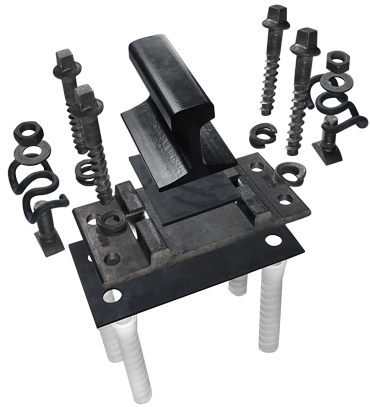
The rail steel is usually made of carbon steel or medium manganese steel, and its section is I-shaped, which is used to bear the wheel load of the locomotive and vehicle, and transmit the bear load to the sleeper; at the same time, it provides a continuous and smooth surface for the rolling of the wheel and guides the wheel. Running, this track component is called a rail. On electrified railways and automatic blocking signal lines, the rails can also double as circuit conductors. The type of rail is usually expressed in weight per meter of rail. The steel rails of China Railway are 75, 60, 50, 45, 43 kilograms per meter and so on.
- 7 Essential Rail Maintenance Equipment Every Railway Contractor Should Know

- 6 Component Parts of Railway Track You Should Know

- Three Doubts You Should Clarify About Railway Tracks.

- 5 Things You Probably Didn’t Know About Crane Rail.

- Secret on Bridge Crane Rail

- Everything you should know about BS 100a rails

- How Railway Tracks Are Made

- How Often Do Railroad Tracks Need To Be Replaced?

- How Much Is Rail Track?

- Gantrex Clips Review

- What do you know about crane rails solution?

- Everything You Need to Know About the Thermit Welding Process for Railroad Tracks
