


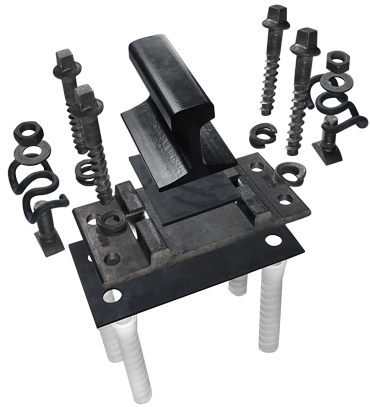



Rail clips are a vital component of railway tracks, and their role in ensuring the safety and stability of the railway system cannot be overstated. A rail clip is a type of fastener that is used to attach the rails to the sleepers, preventing them from moving horizontally or vertically.

The importance of rail clips in railway tracks cannot be understated. Without them, the rails would move, leading to derailments and other accidents. Rail clips ensure that the rails remain firmly in place, even when subjected to various forces such as vibrations and changes in temperature.
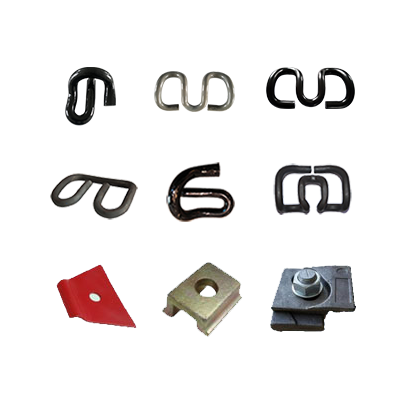
There are various types of rail clips, and each is designed to meet specific requirements based on different factors such as rail type, sleeper type, track condition, and more. Elastic rail clips, which include single coil spring clips, double coil spring clips, SKL tension clips, Pandrol Fastclips, and E-Clips, are the most commonly used rail clips. Non-elastic rail clips, such as Deenik Clips, KPO Clamps, Nabla Clips, Fast Clips, and Gauge Lock Clips, are also used in certain applications.
In this comprehensive guide, we will discuss the different types of rail clips in detail, their designs, and the various applications they are suited for. We will also cover the factors that affect rail clip selection and the importance of choosing the right rail clip for specific applications.
Types of Rail Clips by Design
Rail clips are used to fasten rails to the sleepers and prevent them from moving. There are various types of rail clips, each designed to meet specific requirements based on different factors such as rail type, sleeper type, track condition, and more. In this section, we will discuss the different types of rail clips based on their design.
Elastic Rail Clips
Elastic rail clips are the most commonly used rail clips in railway tracks. They are designed to provide a constant, predetermined force to hold the rails in place. The most common types of elastic rail clips include:
Single Coil Spring Clip: This is the most basic type of elastic rail clip, consisting of a single coil spring that is attached to the sleeper. It is suitable for light to moderate traffic loads.
Double Coil Spring Clip: This type of elastic rail clip consists of two coil springs, making it suitable for heavier traffic loads.
SKL Tension Clip: This is a widely used elastic rail clip that provides excellent holding power and is suitable for high-speed railway tracks.
Pandrol Fastclip: This elastic rail clip is a popular alternative to the SKL tension clip and provides a more secure hold on the rails.
E-Clip: This elastic rail clip is commonly used in North America and provides a secure hold on the rails while also allowing for easy installation and removal.
Non-Elastic Rail Clips
Non-elastic rail clips are designed to provide a rigid hold on the rails, unlike elastic rail clips, which provide a constant force. The most common types of non-elastic rail clips include:
Deenik Clip: This is a non-elastic rail clip that is commonly used in the Netherlands and other European countries. It is designed to provide a rigid hold on the rails and is suitable for high-speed railway tracks.
KPO Clamp: This is a non-elastic rail clip that is commonly used in China and other Asian countries. It is designed to provide a secure hold on the rails and is suitable for high-speed railway tracks.
Nabla Clip: This is a non-elastic rail clip that is commonly used in Europe and other countries. It is designed to provide a rigid hold on the rails and is suitable for high-speed railway tracks.
Fast Clip: This is a non-elastic rail clip that is commonly used in North America. It provides a secure hold on the rails and is suitable for both light and heavy traffic loads.
Gauge Lock Clip: This is a non-elastic rail clip that is commonly used in Australia and other countries. It provides a rigid hold on the rails and is suitable for heavy traffic loads.
Types of Rail Clips by Rail Type
Rail clips are an essential component of railway tracks, used to keep the rails in place and maintain the stability of the track. The type of rail clip used in a railway system depends on various factors, including the type of rail, the sleeper, the track conditions, and the traffic load. In this section, we will discuss the different types of rail clips based on the rail type.
Light Rail Clips
Light rail clips are designed to be used with light rail tracks, typically found in urban areas or in tram systems. They are usually made of lighter materials, making them more suitable for light loads. Some common types of light rail clips include:
E-Clip: This type of rail clip is commonly used in North America and provides a secure hold on the rail. It is easy to install and remove, making it a popular choice for light rail tracks.
KPO Clamp: This is a type of rail clip that is commonly used in China and other Asian countries. It provides a secure hold on the rail and is suitable for light rail tracks.
Heavy Rail Clips
Heavy rail clips are designed to be used with heavy rail tracks, typically found in railway systems that carry heavy loads. They are usually made of heavy-duty materials, making them more suitable for heavy loads. Some common types of heavy rail clips include:
SKL Tension Clip: This type of rail clip is widely used in railway systems around the world. It provides excellent holding power and is suitable for heavy loads.
Pandrol Fastclip: This is a popular alternative to the SKL tension clip and provides a more secure hold on the rail.
Crane Rail Clips
Crane rail clips are designed to be used with crane rails, typically found in industrial areas or ports. They are usually made of heavy-duty materials, making them more suitable for heavy loads. Some common types of crane rail clips include:
Crown Rail Clip: This type of rail clip is commonly used in crane rail systems and provides a secure hold on the rail.
Pandrol Fastclip: This rail clip is also suitable for crane rail systems and provides a secure hold on the rail.
Types of Rail Clips by Sleeper Type
Rail clips are used to secure the rails to the sleepers in a railway track system. The type of sleeper used in the railway system is an essential factor in selecting the appropriate rail clip. In this section, we will discuss the different types of rail clips based on the sleeper type.
Wooden Sleeper Clips
Wooden sleepers were the most common type of sleeper used in railway tracks before the widespread use of concrete and steel sleepers. Wooden sleeper clips are still used in many railway systems, particularly in developing countries. Some common types of wooden sleeper clips include:
Elastic Rail Clips: This type of rail clip is designed to be used with wooden sleepers. It provides a secure hold on the rail and allows for some movement in the track.
Non-elastic Rail Clips: Deenik Clip and KPO Clamp are examples of non-elastic rail clips that are suitable for wooden sleepers.
Concrete Sleeper Clips
Concrete sleepers are widely used in railway systems around the world. They are more durable than wooden sleepers and provide better stability to the track. Some common types of rail clips used with concrete sleepers include:
SKL Tension Clip: This is a popular type of rail clip used with concrete sleepers. It provides excellent holding power and is suitable for heavy loads.
Pandrol Fastclip: This rail clip is also suitable for concrete sleepers and provides a secure hold on the rail.
Steel Sleeper Clips
Steel sleepers are used in some railway systems, particularly in high-speed rail systems. They are more expensive than concrete sleepers, but they provide better stability and require less maintenance. Some common types of rail clips used with steel sleepers include:
Double Coil Spring Clip: This type of rail clip provides a secure hold on the rail and is suitable for steel sleepers.
SKL Tension Clip: This is another popular type of rail clip used with steel sleepers.
Factors Affecting Rail Clip Selection
The selection of the right rail clip is crucial for the safety and stability of the railway track system. There are various factors that need to be considered when selecting a rail clip. In this section, we will discuss the most important factors that affect the selection of rail clips.
Track Gauge
The track gauge is the distance between the rails. The selection of the right rail clip depends on the track gauge. Different types of rail clips are designed for different track gauges.
Rail Type
The type of rail used in the railway system is another important factor that affects the selection of rail clips. Different rail types require different types of rail clips. For instance, elastic rail clips are generally used with standard rails, whereas non-elastic rail clips are suitable for grooved rails.
Sleeper Type
The type of sleeper used in the railway system is another important factor that affects the selection of rail clips. Different types of rail clips are designed for different sleeper types, such as wooden sleepers, concrete sleepers, and steel sleepers.
Track Condition
The condition of the track is another crucial factor that affects the selection of rail clips. A worn-out track may require rail clips with more holding power to maintain stability.
Temperature Variation
The temperature variation in a railway system can cause the rails to expand or contract. Rail clips that can adjust to these changes are preferred in areas with extreme temperature variations.
Rail Fastening System
The rail fastening system is another factor that affects the selection of rail clips. Different rail fastening systems require different types of rail clips.
Applications of Rail Clips
Mainline Tracks
Mainline tracks are the primary railway tracks that connect major cities and towns. Rail clips are widely used in mainline tracks to ensure their stability and safety. Different types of rail clips are used depending on the rail type, sleeper type, and track condition.
Turnouts and Crossovers
Turnouts and crossovers are critical components of a railway track system. They allow trains to switch from one track to another. Rail clips are used to secure the rails at turnouts and crossovers, ensuring the safety and stability of these areas.
High-Speed Rail Lines
High-speed rail lines are becoming increasingly popular around the world. Rail clips are used extensively in high-speed rail lines to maintain their stability and ensure the safety of passengers.
Light Rail and Metro Systems
Light rail and metro systems are becoming popular in urban areas. Rail clips are used in these systems to ensure the stability and safety of the tracks. Different types of rail clips are used depending on the rail type and sleeper type.
Industrial Sidings
Industrial sidings are railway tracks that lead to industrial areas, such as factories and warehouses. Rail clips are used in industrial sidings to ensure the safety and stability of the tracks, especially when heavy loads are transported.
Curved Tracks
Curved tracks require special attention because of the increased stress on the rails. Rail clips are used in curved tracks to maintain the stability and safety of the track system.
Conclusion
In conclusion, rail clips are a vital component of railway track systems that ensure their safety and stability. In this article, we have discussed the different types of rail clips by design, rail type, and sleeper type, as well as the factors affecting their selection and various applications in the railway industry. It is essential to select the appropriate rail clip for specific applications based on the track gauge, rail type, sleeper type, track condition, and temperature variation. Finally, as the railway industry continues to evolve, future trends in rail clip technology will likely focus on improving durability, reducing maintenance costs, and increasing efficiency and safety in railway track systems.